I’ve been reflecting upon the “you are what you eat” saying (and it’s multiple meanings in my life) over the course of this week. I actually have a visual representation of those very words on my wall (in the form of a framed picture that a family member gave to my household). I’ve talked about it before in a previous post, but there’s a young girl in the picture who is sitting on the floor, surrounded by healthy fruits and vegetables. But, instead of eating those healthy foods pictured around her, she’s eating pages out of the Bible.
And here’s the double meaning behind “you are what you eat” that’s been glaringly apparent to me this week — a meaning that was reinforced by the framed picture on my wall.
- Yes, it’s extremely imperative that we eat foods and drink fluids that will nourish and sustain our bodies with a favorable quality of life. Healthy input goes in and healthy output reflects throughout.
- Furthermore, it’s also equally imperative that the content we consume nourishes and brings life to us as well. That content can come in the form of subject matter we read, we hear, and we watch.
The revelation in item #2 is not new to me. I know it to be true and something that is strongly emphasized in my family. And yet, I feel like I wasted such precious time binge-watching content that really wasn’t feeding my mind with the most healthy food for thought.
There will be those times, where you just want to get lost in frivolous entertainment for a minute or several hours. But, you definitely don’t want to stay there, because a constant diet of poor nutrition (in this case, visual content) can negatively affect every part of your well-being, starting with your mind.
The mind is a powerful tool to keep sharp and feed often with the good stuff. Learning grows the mind. We know this already. So, it’s critical that we put “the good stuff” before our eyes more often than that frivolous stuff that harbors the empty calories.
This sentiment is exactly what brought me to day 17 of the “Procrastination Station” 30-day challenge that I participated in on December 25, 2018. On this day, I was determined to feed my mind with a Netflix documentary on healthy eating. And, I do know this to be true: the more you absorb certain visual content, the more that particular content will impress upon your mind and linger in your thoughts. My goal is to ALWAYS proactively move on those visual learning opportunities that will bring life to me and my family.
Looks like I need to find some quality nutrition in Netflix documentaries that will balance out the poor caloric intake I visually consumed throughout this week. And without further ado, here’s a rewind of day 17.
Day 17 of the 30-Day Challenge: Procrastination Station
Task: To watch a food documentary on Netflix, regarding health and diet.
Reason for Task: My family and I welcome opportunities to enhance our understanding of what it takes to assume a healthy eating lifestyle. And in pursuit of such knowledge, my family and I will occasionally seek assistance from the thought-provoking offerings that Netflix provides. The last food documentary I watched on Netflix, What the Health, was quite some time ago and I’m overdue for some dietary enrichment. Historically, I’ve found the documentaries that I’ve viewed to be very informative and quite impactful. Usually, they have been referred to me or a member of my family; and then, we’ve gone ahead and checked them out. However, I tried something different this time. I just went to Netflix and did a search for “food documentaries” and the one that quickly stood out to me was In Defense of Food. By looking at the title and reading the brief description, I was immediately intrigued and thought I’d settle in for an hour and 55 minutes of food for thought.
Duration of Task: 1 day.
Outcome: As I got into it, I noted that, although there are many collaborators that contributed to this film, Michael Pollan (journalist, author, professor, and lecturer) provided the enlightening commentary and gives the backbone to this documentary. I can’t begin to give you a detailed summary of the film in a few short paragraphs, so I thought I’d give you a list of some major themes that were covered such as:
- The Western Diet
- Health conditions linked to diet
- The effects of agriculture on the diet
- The scarcity of Omega-3 Fatty Acids in the diet and what foods you can find them in
- The Food Industry’s Role regarding processed foods
- Vitamin-enriched foods
- Sugar
- Cholesterol
- Fats
- The ideology of Nutritionism
- How culture affects the diet
- Overall theme of film that sums up how to eat in a healthy way: (Eat food, not too much, mostly plants)
- Edible food-like substances (processed foods)
- The study of the human mother’s breast milk and how it nourishes the baby
- Correlation of diseases in poor and minority communities and the marketing and high sales of unhealthy foods to these populations
- Michael Pollan’s Food Rules such as 1) eating things that will eventually rot, 2) eating only foods that have been cooked by humans, and 3) avoiding foods you see advertised on tv
- Human interest projects involving youth and growing fresh food
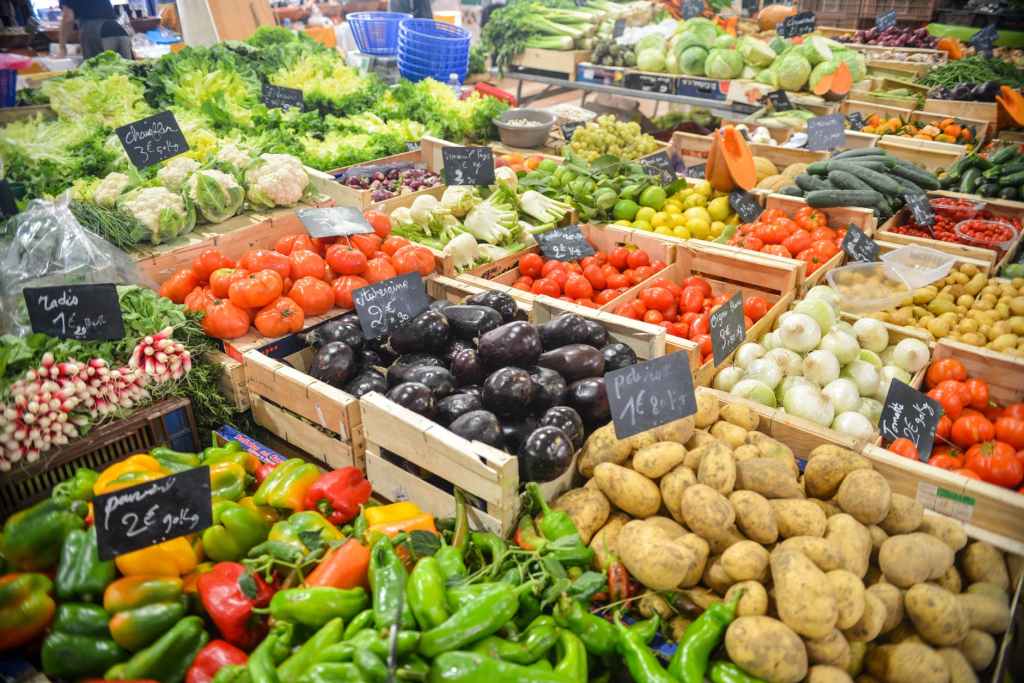
I was the only one that viewed the documentary today, but I will be sharing it with my family in the very near future. There were definitely things that I already knew from the film but a few that I didn’t. I always find some take-aways from these food documentaries, and In Defense of Food was no exception.

 degreesofmaternity.com