Let’s get right to it, shall we?
Number One: Prioritize the Priorities
List out your work-related priorities (tasks) by level of importance (with the most important at the top) or by deadline due date (most recent date at the top). By sorting your priorities in this manner, you’ll naturally arrive at the order in which to attack your list of to-dos. Your list can consist of daily and/or weekly tasks, one-timers, or on-goers. Just make sure to include all those critical responsibilities that must be dealt with in order to be professionally productive.
Number Two: Schedule Your Tasks for Completion
Take those priorities, or tasks, and place them on a calendar, identifying days of the week and times of the day in which the tasks should be completed. If the tasks are recurring, make sure to note all their occurrences on the calendar. Again, daily or weekly scheduling is preferable to scheduling too far in advance. Working with a daily or weekly calendar (physical or electronic) allows you to focus on smaller, more manageable intervals of time, where accuracy in scheduling should be easier.
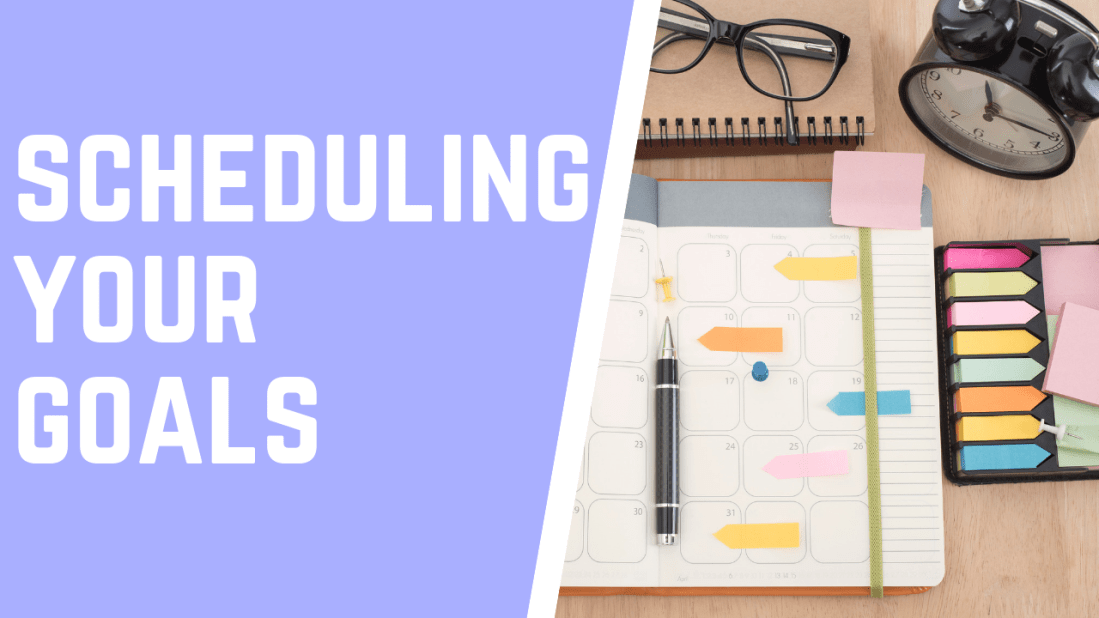
Furthermore, commitment to the execution of the schedule is required to be successful with reducing the irons in the fire. Undoubtedly, life will get in the way of your schedule of to-dos and some temporary adjustments may be necessary from time to time. No worries, though. If you must veer off of your schedule, handle your business but return to the schedule as quickly as possible.
Lastly, remember to use schedule reminders (alarms) and timers to help track your time, during each task completion session.
Number Three: Get Rid of Distractions
Anything that prevents you from doing your to-dos or causes a disruption in your work flow is a distraction. Some distractions (emergencies) must be dealt with immediately, while other distractions are meant to be ignored until their appointed time to be addressed. (In fact, deliberately schedule time to deal with distractions, preferably at the end of the day or in between work sessions.) Think of it this way: work first, get distracted later. By getting your work done in the time allotted, you’re sure to feel more at ease and less guilty when engaging with your distractions. Here’s a list of some of the sneaky and addictive attention-grabbers to beware of:
- cell phone
- social media (everything besides YouTube)
- YouTube
- any activity that puts a crimp in your work flow
- any activity that keeps you from starting your to-do list
It’s easy to rationalize your participation in the items above as work-related in nature, but I warn you to be careful here. Again, they’re sneaky. So, you have to be disciplined in how you handle them. Sure, some of these distractions may require immediate attention (those “emergency” or urgent types of situations that you must attend to right away). And, if that’s the case, take care of them. But, all the other distractions need to wait until their scheduled time for handling.
Number Four: Delegate Work to Others
Essentially, you’re dumping some work-related items on a plate for another person to eat, so you can clear off a little space on your plate and avoid getting “stuffed”. (There’s a difference in comfort level between feeling “full” and getting “stuffed”.) One leaves you with a feeling of contentment and the other leaves you down right good-for-nothing. So, move some of the stuff off your plate when you get a chance. You might achieve this transference of duties to your employees or co-workers, if you have individuals at your disposal that are able to take on additional tasks and do them with a high level of competency. Then, you’ll be freed up to work on those tasks that are more specialized to your skills sets and reflect a better use of your time.
If you’re not in a position to delegate work-related items to other workers (you’re wearing all the hats), then delegate some of the household-related tasks to family members to handle. Listing out who does what and when is a sure way to develop some organization in the household and free up some of your time to reduce the irons in the fire when you’re a solo act.
Number Five: Reward Yourself
Remember to reward yourself for a job well done. Incentivize yourself for completing tasks. You know those things that you enjoy indulging in (positive in nature, of course) like an R (rest) & R (relaxation) day, a pampering session (spa treatment, perhaps), Netflix binge session, TV time, favorite sweet treat, shopping excursion, attending an entertainment venue of your choosing, etc. Find those rewards that will motivate you to reduce the irons as quickly as possible, so you can partake of their awesomeness.

 degreesofmaternity.com